
Pre vs Pro vs Postbiotics: What Actually Matters After 40
If you’ve been looking into gut health, you’ve probably seen the terms prebiotics, probiotics, and postbiotics everywhere.
ALLSUPPLEMENTSGUT HEALTH
Intro
If you’ve been looking into gut health, you’ve probably seen the terms prebiotics, probiotics, and postbiotics everywhere.
They sound similar—but they do very different things.
And during perimenopause, menopause and beyond, understanding the difference matters more than ever.
Because it’s not just about taking a probiotic anymore—it’s about how well your body can actually use it.
The Simple Breakdown
Let’s keep this straightforward:
Probiotics = the beneficial bacteria
Prebiotics = the fuel that feeds them
Postbiotics = the beneficial compounds they produce
Think of it like this:
Probiotics = seeds
Prebiotics = soil + nutrients
Postbiotics = the result (what your body actually uses)
Probiotics (The Bacteria)
Probiotics are live microorganisms that support your microbiome.
But not all probiotics do the same thing.
Key strains to know:
Lactobacillus rhamnosus → vaginal + gut balance
Lactobacillus plantarum → digestion + inflammation
Bifidobacterium lactis → gut stability + regularity
These are especially relevant during menopause, when microbial balance shifts.
Research referenced by the National Institutes of Health highlights the role of these strains in maintaining microbiome health.
Prebiotics (The Fuel)
Prebiotics are fibers that feed beneficial bacteria.
Without them:
👉 probiotics struggle to survive and grow
Common types include:
inulin
resistant starches
plant-based fibers
However, not all prebiotics are well tolerated.
Some can cause:
bloating
gas
discomfort
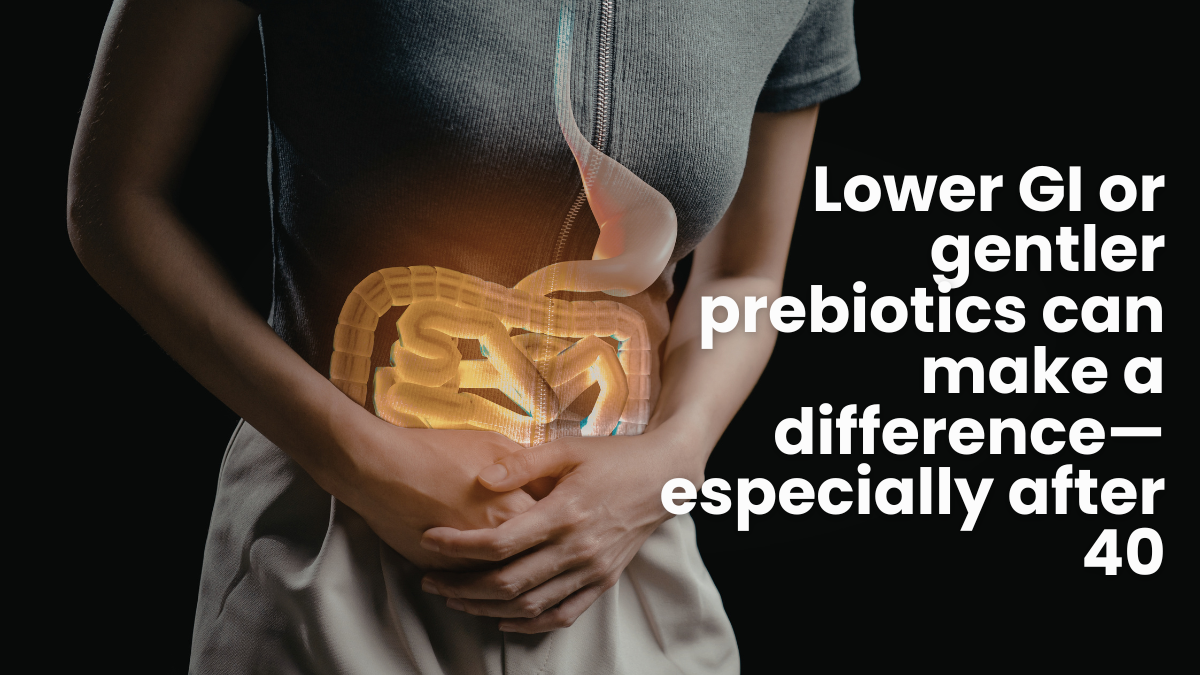
👉 This is why lower GI or gentler prebiotics can make a difference—especially after 40.
Postbiotics (The Missing Piece Most People Ignore)
Postbiotics are the compounds produced when probiotics ferment prebiotics.
These include:
short-chain fatty acids
enzymes
antimicrobial compounds
They help:
reduce inflammation
support gut lining health
maintain microbial balance
In simple terms: Postbiotics are where many of the actual benefits happen.
Why This Matters More After 40
During menopause:
estrogen declines
microbial diversity shifts
tolerance to certain foods changes
This means: your microbiome becomes harder to support with basic probiotics alone
An article by Institute of Genetic and Biomedical Research (IRGB) notes that The decline of menopause-related estrogen affects the vaginal and gut microbiota, likely influencing onset and progression of age-related conditions.
So… Which One Do You Actually Need?
This is where most people get it wrong.
If you only take probiotics:
You may not be giving them what they need to work.
If you only take prebiotics:
You’re feeding bacteria—but not adding new ones.
If you understand all three:
you can support the system properly
Why Synbiotics Are Getting More Attention
A synbiotic combines:
probiotics (bacteria)
prebiotics (their fuel)
Some formulas also support postbiotic activity indirectly.
This combination may:
improve survival of bacteria
enhance colonization
lead to more consistent results
Research from the National Institutes of Health suggests synbiotics can improve microbiome outcomes compared to probiotics alone.
What to Look for in a Formula
After 40, focus on:
targeted strains (not just high CFU)
well-tolerated prebiotics
delivery systems that protect bacteria
formulations aligned with your symptoms
Where Most People Go Wrong
Choosing based on CFU count alone
Ignoring prebiotics entirely
Switching products too quickly
Using generic blends for specific problems
Bottom Line
It’s not about choosing between pre, pro, or postbiotics.
It’s about understanding how they work together.
And during menopause, that combination becomes much more important than any single ingredient.
To learn more Visit our Blog: Best Probiotics for Menopause (2026 Guide)


The information on this website is for educational purposes only and is not intended as medical advice. It should not be used to diagnose, treat, cure, or prevent any condition. Always consult with a qualified healthcare provider before starting any new supplement, medication, or health program, especially if you have a medical condition or are taking prescription medications. Statements on this site have not been evaluated by the FDA. Products reviewed by HelloMenoGuide are not intended to diagnose, treat, cure, or prevent any disease.
Affiliate Disclosure:
Some links on this site are affiliate links, which means we may earn a commission if you make a purchase—at no additional cost to you. We only recommend products we believe provide value.
Results Disclaimer:
Individual results may vary. Outcomes depend on many factors, including consistency, lifestyle, and individual health conditions.


Categories:
Gut Health
Hormones
Supplements
Metabolism